

Bangladesh has recently approved the import of wheat from the United States, marking a significant step in easing trade tensions between the two nations. This decision not only impacts Bangladesh’s food security but also signals a warming of economic ties with one of the world’s largest wheat exporters.
Why This Move Matters
Bangladesh is one of the largest importers of wheat in South Asia. Rising domestic demand, coupled with fluctuating local production, has made the country increasingly reliant on imports to maintain stable food supplies. Approving US wheat imports provides:


- Supply security: Ensuring stable wheat availability for both households and industries.
- Price stability: Diversifying suppliers can help manage market fluctuations.
- Trade goodwill: A signal to the United States that Bangladesh is open to expanding bilateral trade.
Background on Bangladesh-US Trade Relations
Historically, trade between Bangladesh and the US has experienced ups and downs, often impacted by tariffs, regulations, and diplomatic considerations. By approving wheat imports from the US, Bangladesh is taking a pragmatic approach to strengthen ties and open doors for further economic cooperation.
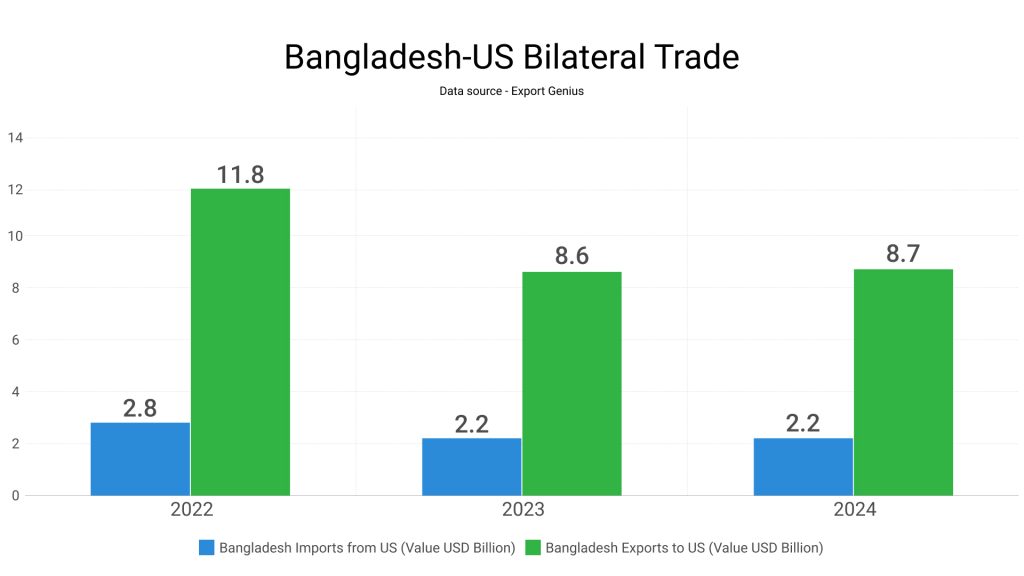
| Year | Bangladesh Imports from US (Value USD Billion) | Bangladesh Exports to US (Value USD Billion) |
| 2022 | 2.8 | 11.8 |
| 2023 | 2.2 | 8.6 |
| 2024 | 2.2 | 8.7 |
Bangladesh’s move to import U.S. wheat is both practical (food‑security, supply diversification) and strategic (trade diplomacy, tariff negotiation). While U.S. wheat is more expensive, the quality and political payoff may make it “worth it” for Dhaka.
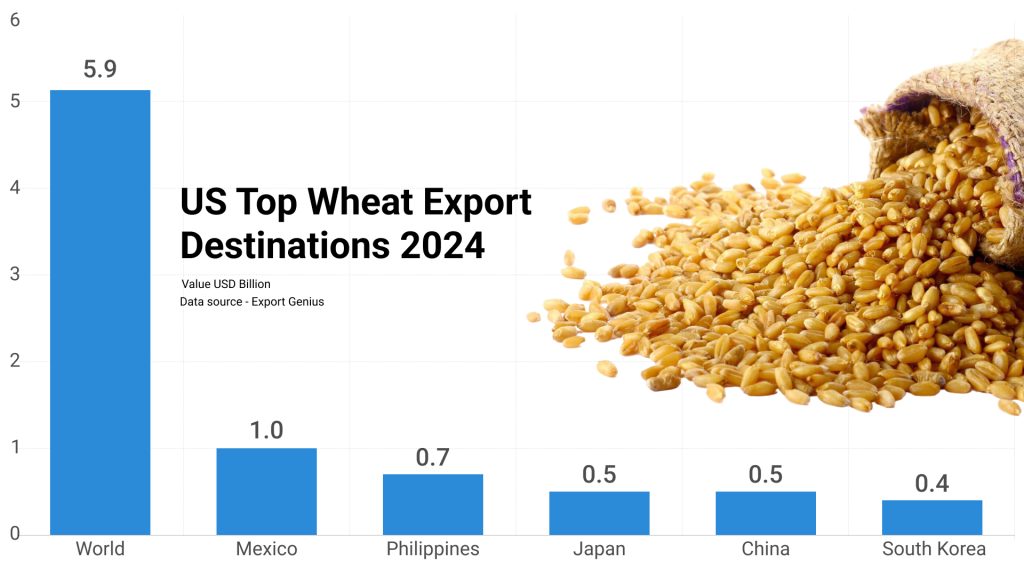
| Country | Value USD Billion |
| World | 5.9 |
| Mexico | 1.0 |
| Philippines | 0.7 |
| Japan | 0.5 |
| China | 0.5 |
| South Korea | 0.4 |
Potential Implications
For Bangladesh:
Ensures a steady supply of a staple commodity, critical for food security.
May encourage further US investment in agriculture and trade infrastructure.
For the US:
Expands market access for American wheat producers.
Reinforces diplomatic and economic relations with a growing South Asian economy.
Challenges Ahead
While this move is positive, both nations must navigate:
Logistics and transport costs that can affect pricing.
Regulatory compliance to ensure quality standards and smooth trade.
Market reactions, as domestic wheat producers may feel competitive pressure.
Conclusion
Bangladesh’s approval of US wheat imports marks a key step toward stabilising its food supply while easing trade tensions with one of the world’s largest wheat exporters. This move not only strengthens bilateral relations but also opens doors for new trade opportunities and market growth for both nations.
Ready to explore international trade opportunities like this? With Export Genius, you can track global imports, discover new markets, and stay ahead of trade trends — turning insights into actionable business growth. Start leveraging trade data today!